Launch offer — valid today only

📄 Digital book in PDF · read it on your phone or print it

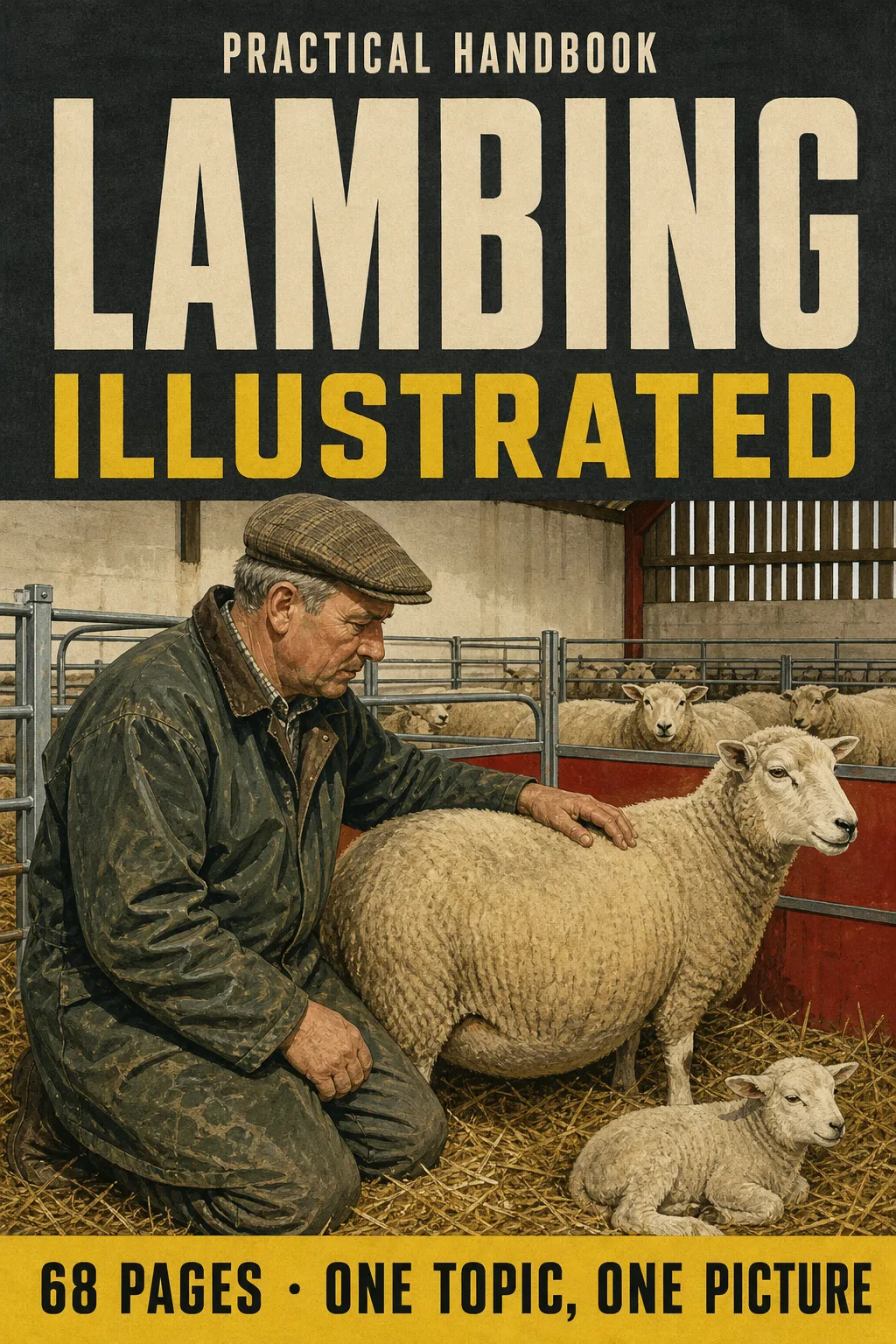
Lambing a Small Flock in Ireland, in Drawings Know What Normal Looks Like, and When to Ring the Vet

Lambing dates, scan groups, body condition, pens and bedding, the kit box, night rounds, when to ring the vet, colostrum and tagging. Each topic has its own page: the drawing first, then what you need to remember. 68 illustrated pages.

YES, I'LL TAKE LAMBING ILLUSTRATED

🔒 Secure checkout · PDF by email · 30-day guarantee

Every topic, its own pageEach step drawn, with the explanation right beside it
68 illustrated pages9 parts, from ram turnout to the final shed checklist
Up-to-date sourcesTeagasc, DAFM and HSE guidance
PDF by emailFormat

Look Inside the Book

Every page has one large drawing and a box with the numbers and signs you need to know:

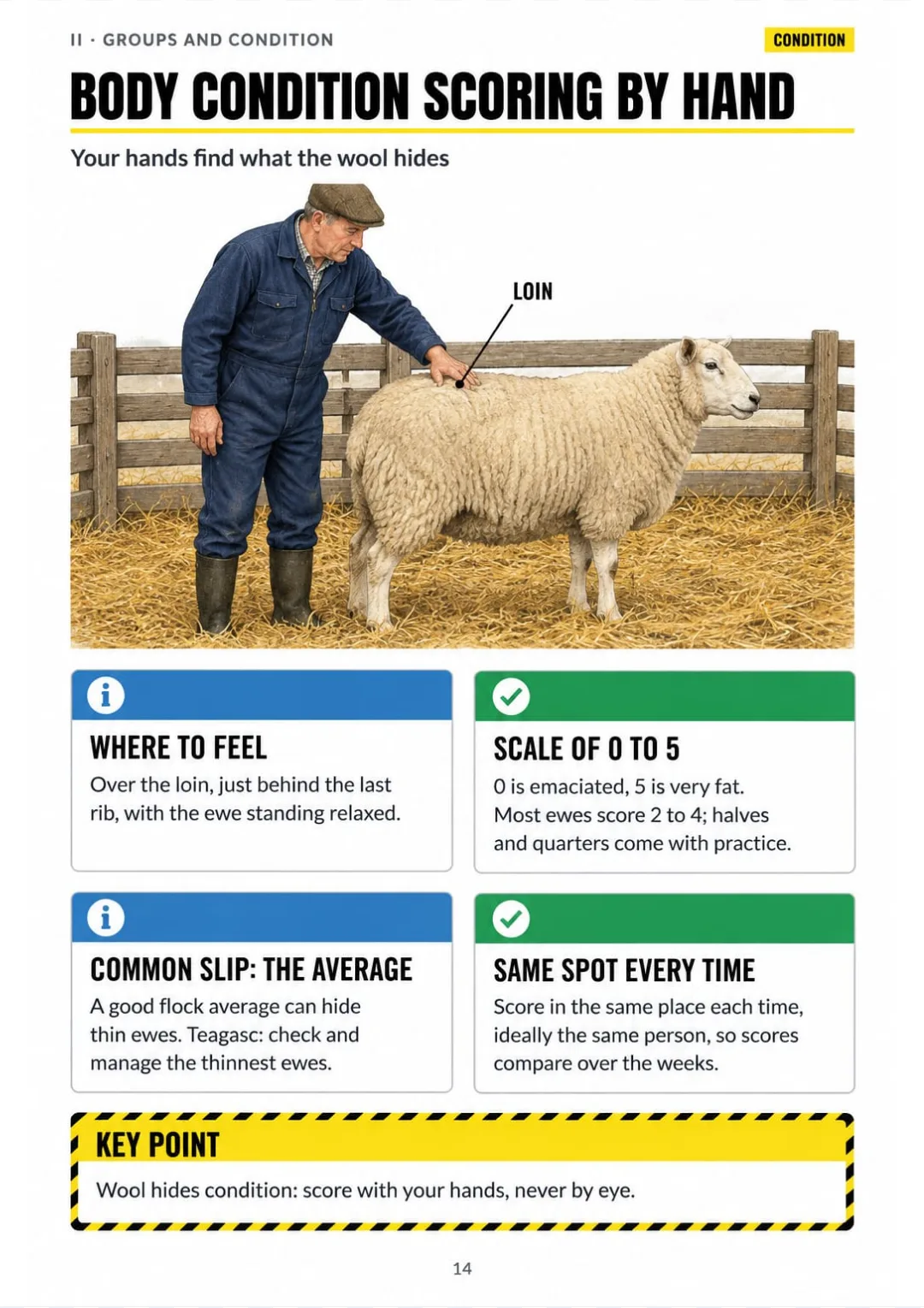
Score from 0 to 5 by hand, just behind the last rib
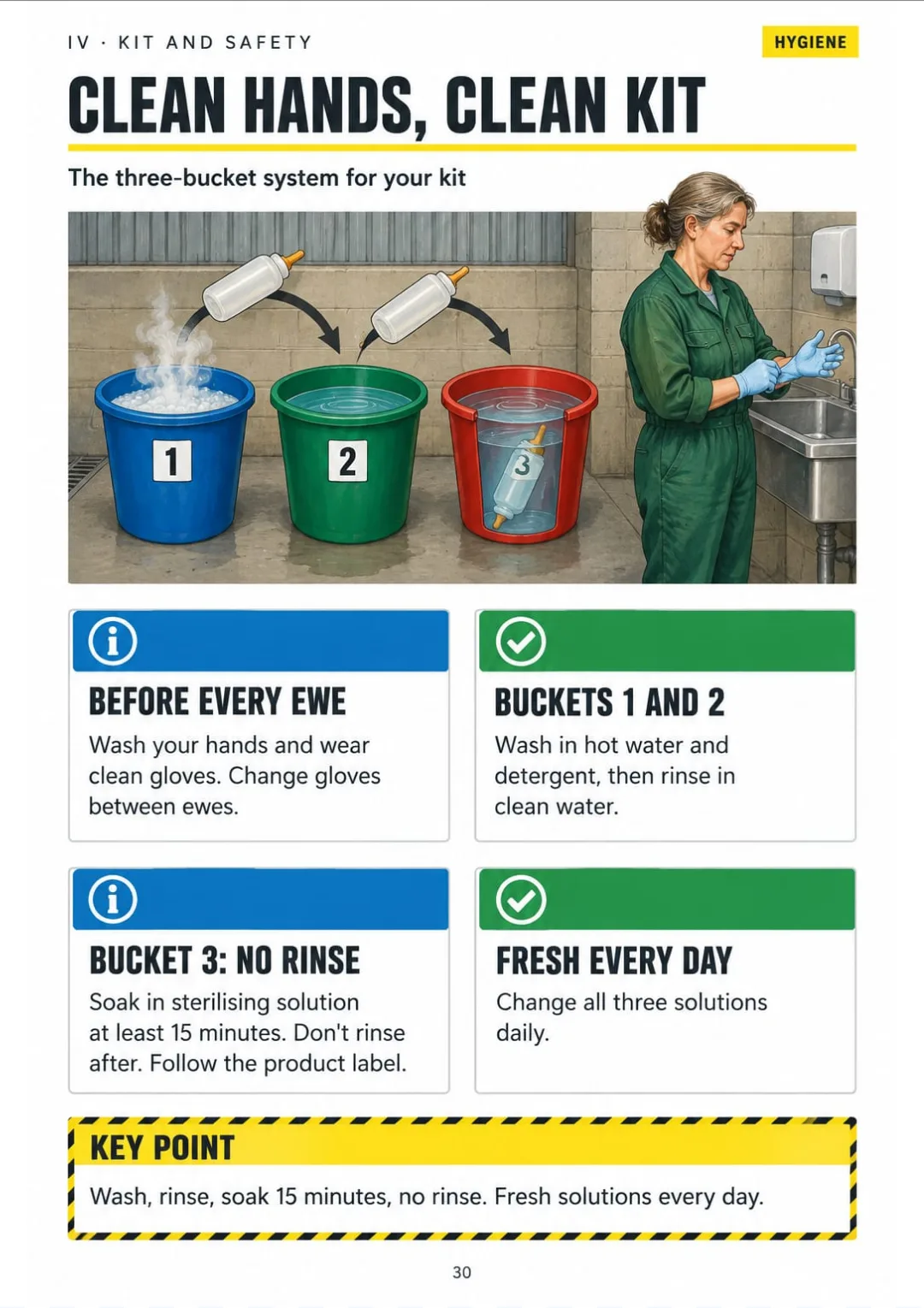
Three buckets: wash, rinse, soak at least 15 minutes, change daily
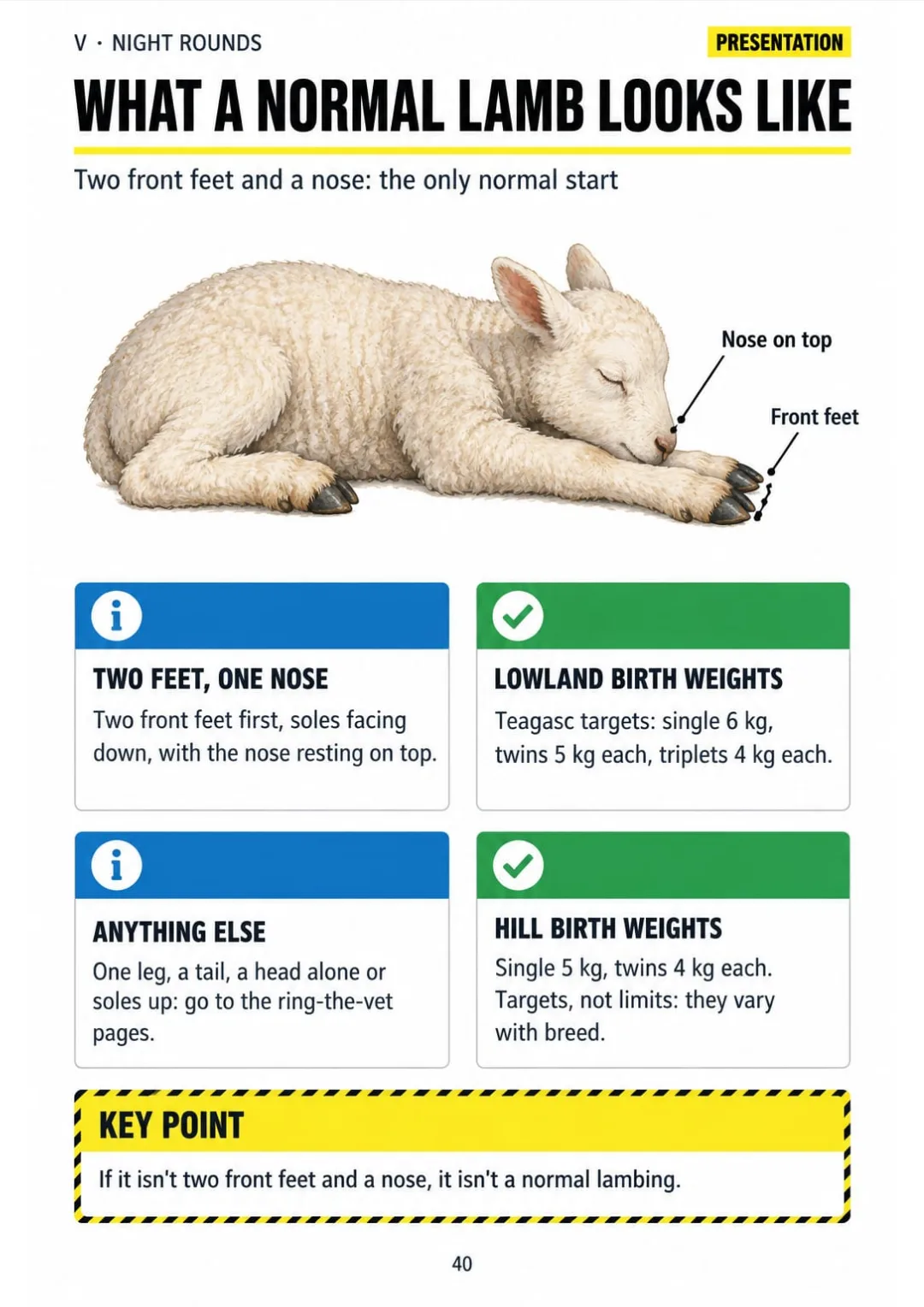
Normal: two front feet, soles down, nose on top. Lowland twins: 5 kg each.
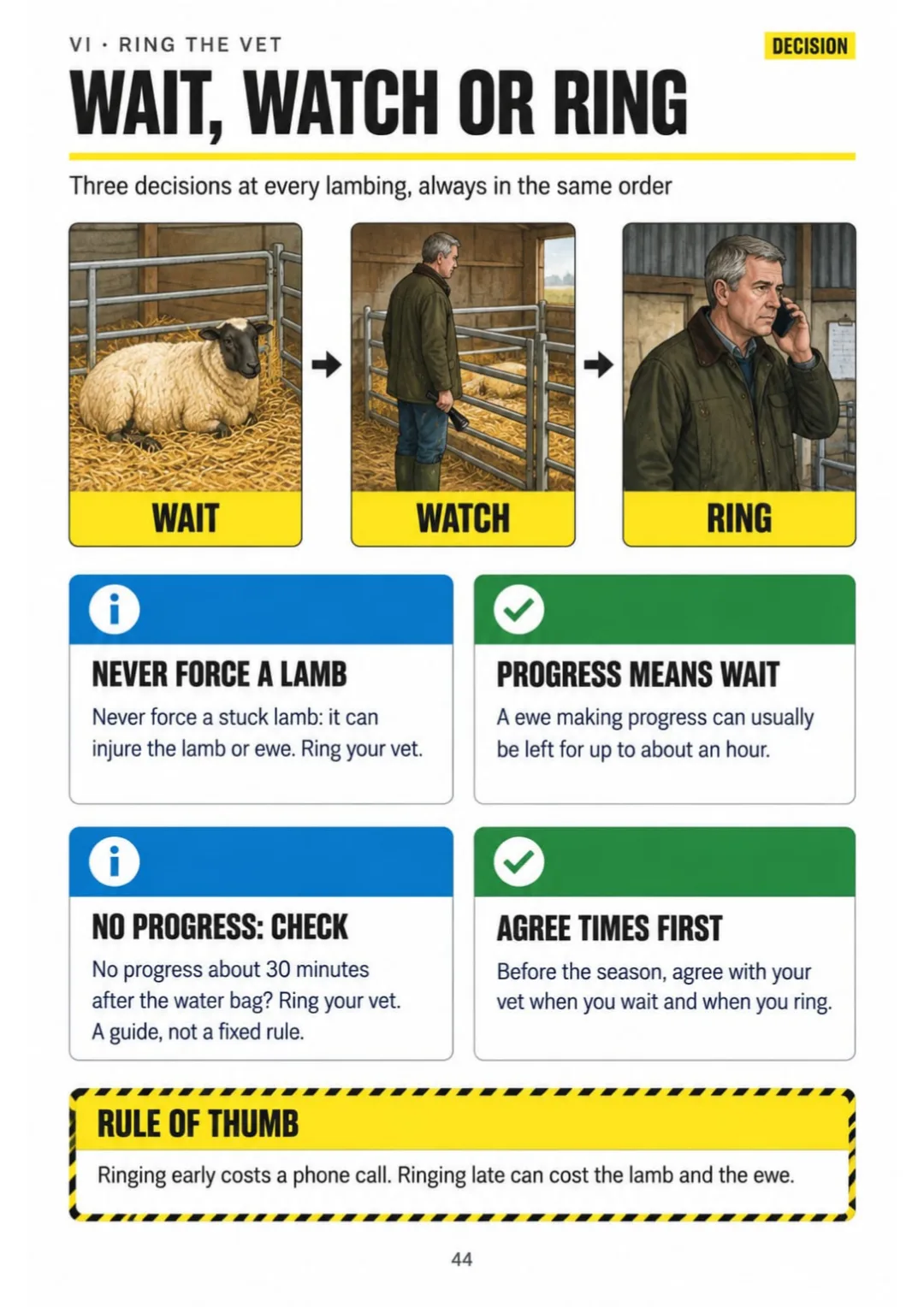
No progress about 30 minutes after the water bag: ring your vet
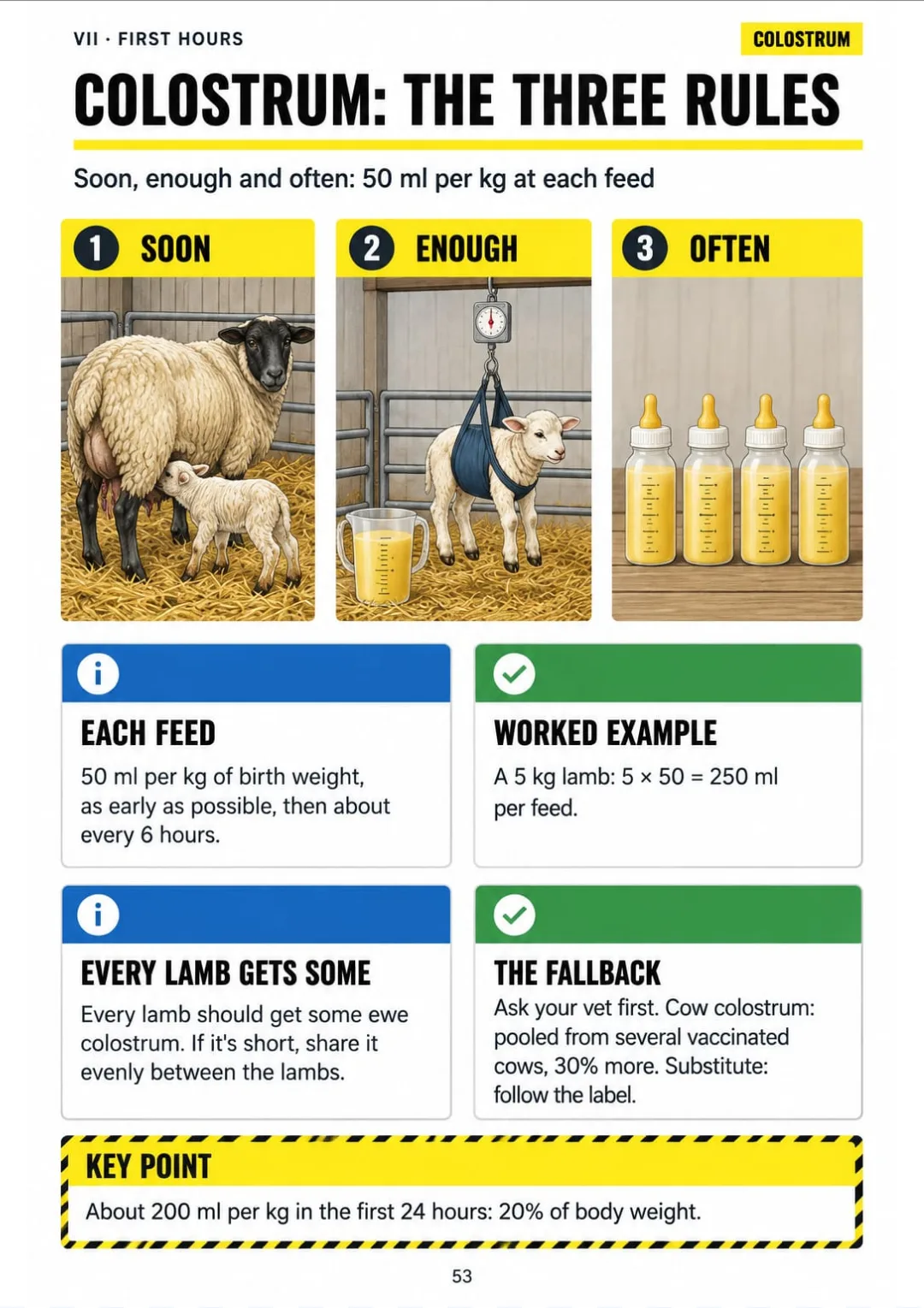
5 kg lamb = 250 ml per feed; about 200 ml/kg in 24 hours
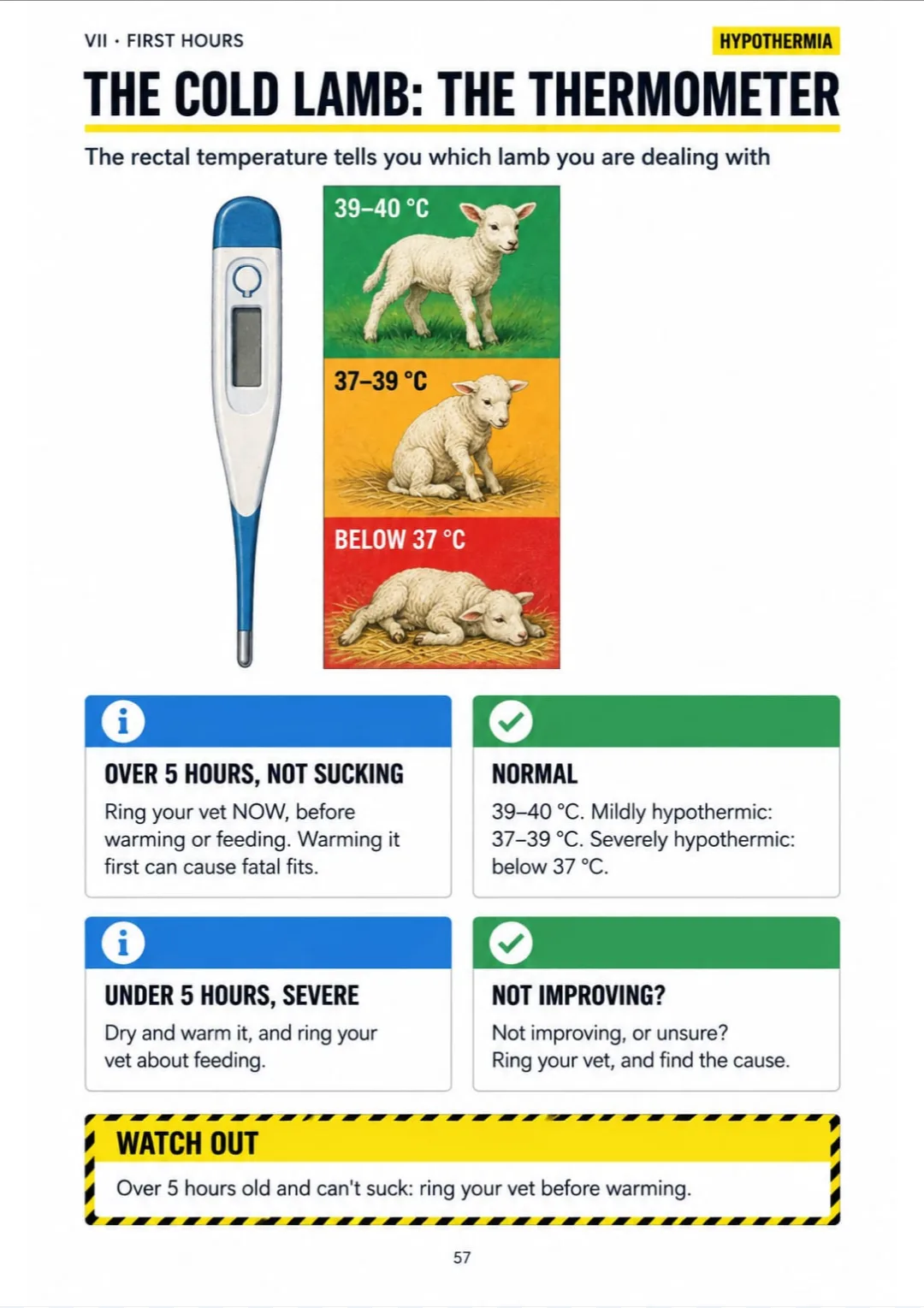
39–40 °C normal · 37–39 °C mild · below 37 °C severe
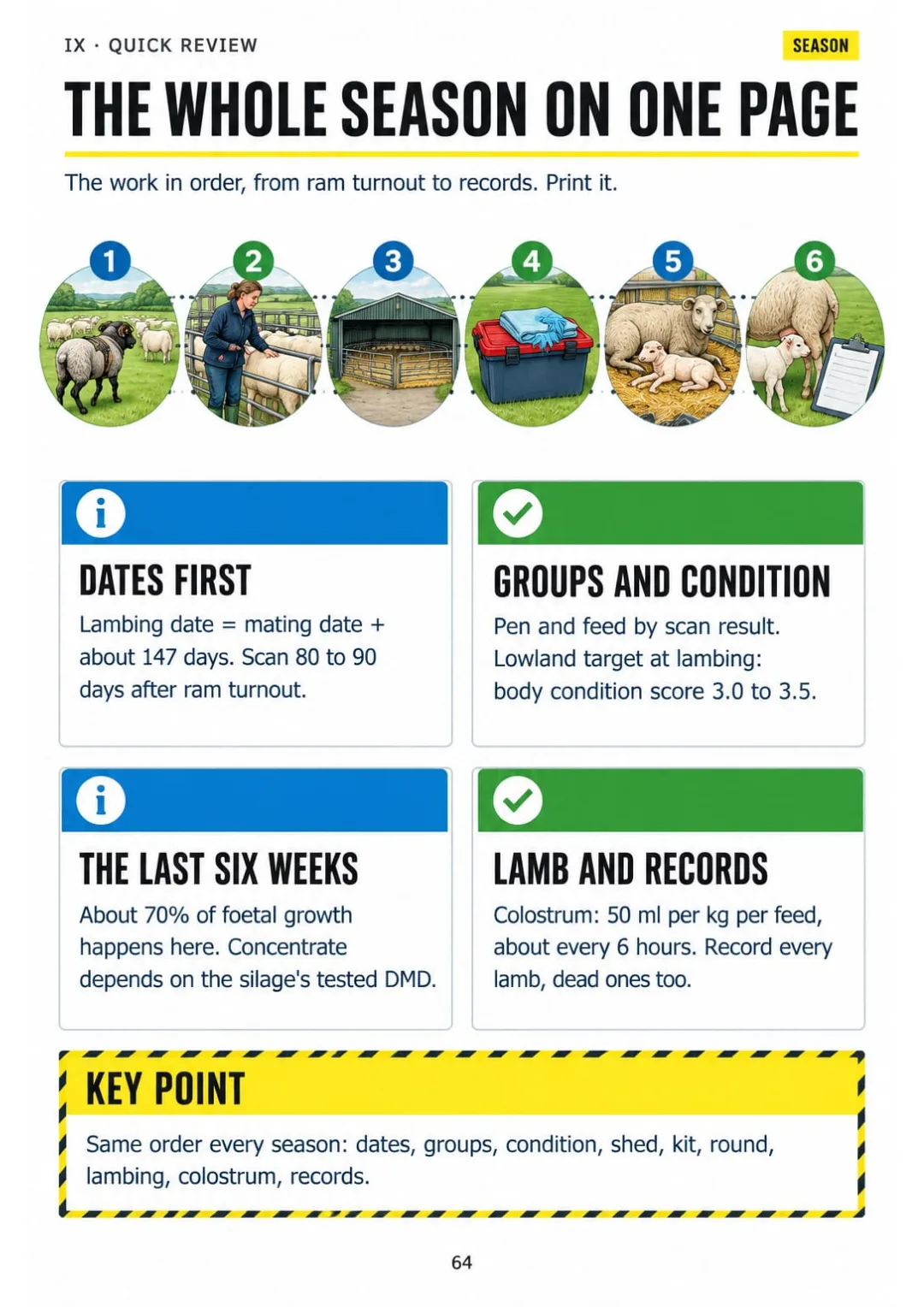
One order every season: dates, groups, condition, shed, kit, round, lambing, colostrum, records.
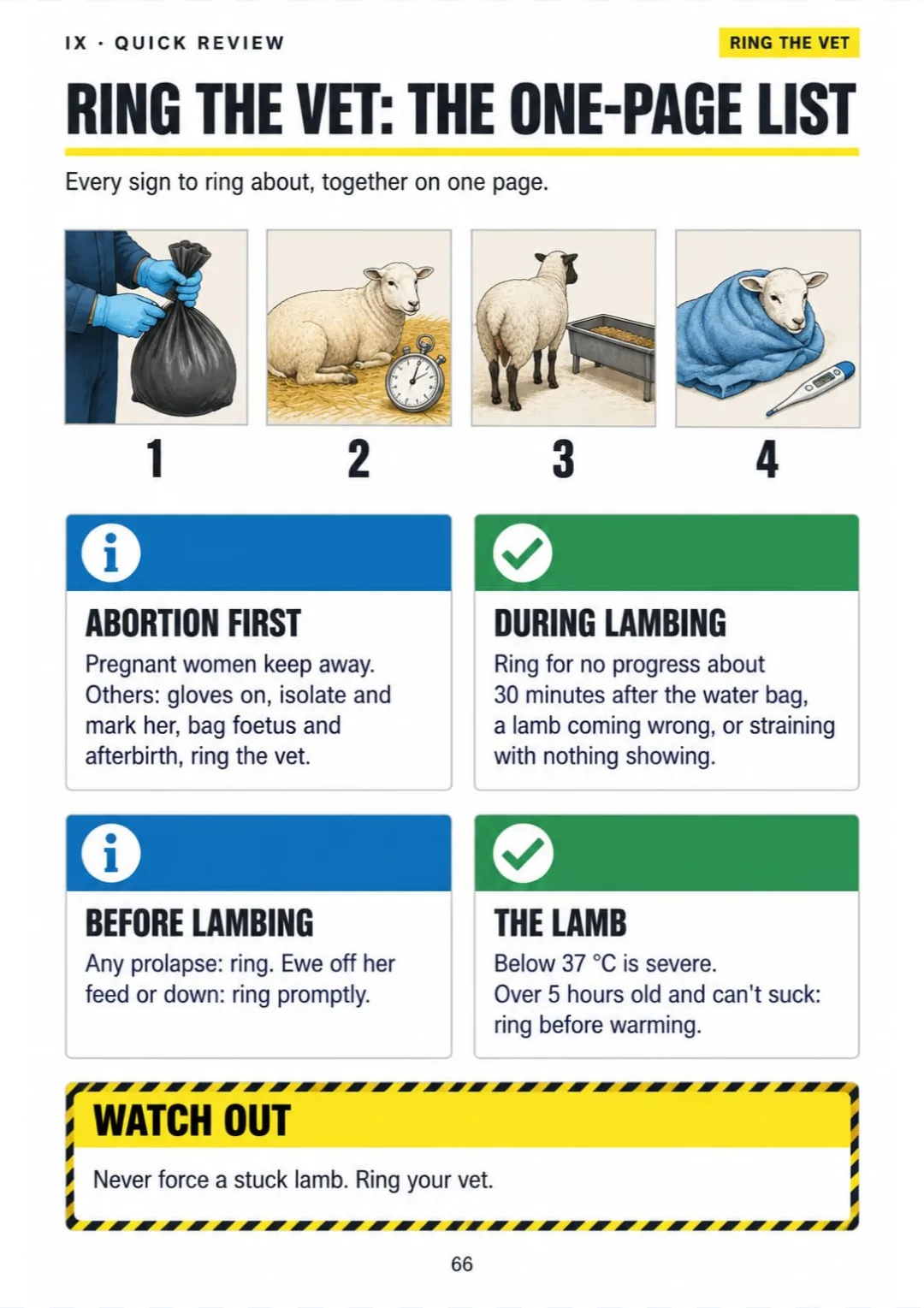
Abortion, no progress, wrong lamb, prolapse, ewe off feed or down, lamb below 37 °C: ring.

Swipe to see more →

These are real pages from the book. The table of contents is the full one: 9 parts and 64 topics.

It's Not You. It's a Paragraph Trying to Explain a Lamb.

It's two in the morning. You're kneeling behind a ewe with a torch, the water bag has come and something is showing, but you can't tell if it's right.

You read about it back in the autumn. The leaflet covered it in a paragraph: presentation, position, posture. Words on a page don't help when you're looking at her from behind.

Normal: two front feet, soles down, nose on top. Lowland twins: 5 kg each.

Here it's one page, with the lamb drawn from the side: two front feet, soles down, the nose resting on top. Beside it, a short box: this is normal, and if it doesn't look like this, it's on the ring-the-vet list.

Body condition by hand, the wait, watch or ring rule, colostrum, the cold lamb and clean kit work the same way: each one has its own page.

You see it, you know what it is, and you make the call without going back to a leaflet.

COMPARE FOR YOURSELF

The Same Topic, Two Ways to Learn It

THIS
  • The manual: line after line of text
  • Shed hygiene explained only in words
  • You reach the first ewe still unsure
Hygiene during the lambing period: prior to handling any ewe or newborn lamb, the stockperson should ensure that hands and forearms are thoroughly washed with an appropriate cleansing agent and that disposable gloves are worn where available. All items of lambing equipment, including buckets, feeding bottles and thermometers, should first be cleaned of organic matter, then rinsed and subsequently immersed in a suitable disinfectant solution for an adequate contact period, which should be renewed at regular intervals, as efficacy diminishes once contaminated.
FOR THIS
  • Three buckets in one drawing
  • The 15 minutes and the daily change in a box
  • You see it and you get it
Three buckets: wash, rinse, soak at least 15 minutes, change daily
CONTENTS

Take a Look at the 9 Parts and 64 Topics

Dates, groups and body condition, the shed and pens, the kit and safety, night rounds, when to ring the vet, the lamb's first hours, tags and records, and a quick review for the shed: 68 pages, all illustrated

ICounting Back the Dates · pp. 5-11
  1. Lambing Starts at Ram Turnout
  2. Counting 147 Days on the Calendar
  3. Reading the Raddle Colours
  4. Spread of Lambing: The First Three Weeks
  5. When to Book the Scanner
  6. Your Lambing Countdown
  7. Planning Around a Day Job
IIGroups and Body Condition · pp. 12-19
  1. Scan Results Become Groups
  2. Marking Ewes After Scanning
  3. Body Condition Scoring by Hand
  4. Target Scores Before Lambing
  5. Why the Last Six Weeks Matter
  6. Silage Quality Decides the Plan
  7. Feeding Space at the Barrier
  8. Thin, Lame or Old: The Watch List
IIIThe Shed, Pens and Bedding · pp. 20-27
  1. Space per Ewe in the Shed
  2. How Many Individual Pens
  3. Sizing a Lambing Pen
  4. Fresh Air Without Draughts
  5. Bedding Down: Dry Is the Goal
  6. Water and Light in Every Pen
  7. The Hospital Pen
  8. Shed Flow: From Group to Field
IVYour Lambing Kit and Safety · pp. 28-34
  1. The Lambing Kit Box
  2. Checking the Kit Before the First Ewe
  3. Clean Hands, Clean Kit
  4. Pregnant Women and Lambing Ewes
  5. Zoonoses: Protecting Yourself
  6. Farm Safety on Lambing Nights
  7. The Phone List on the Shed Wall
VNight Rounds and a Normal Lambing · pp. 35-43
  1. The Round, Always in the Same Order
  2. Setting the Round Times
  3. Signs She Is Getting Close
  4. Stage One: Getting Ready
  5. Stage Two: The Water Bag
  6. What a Normal Lamb Looks Like Coming
  7. Twins and Triplets: Is There Another?
  8. Stage Three: The Afterbirth
  9. Into the Pen: When and How
VIWhen to Ring the Vet · pp. 44-50
  1. Wait, Watch or Ring: The Rule
  2. Wrong Presentations, Seen From Behind
  3. Straining With Nothing Showing
  4. Prolapse Before Lambing
  5. The Ewe Off Her Feed
  6. Abortions: Isolate, Keep, Ring
  7. After Lambing: Signs to Ring About
VIIThe First Hours of the Lamb · pp. 51-58
  1. First Breath: Clear the Nose
  2. Navel Care
  3. Colostrum: The Three Rules
  4. Is the Lamb Sucking?
  5. Checking the Udder
  6. Spare Colostrum in the Freezer
  7. The Cold Lamb: Reading the Thermometer
  8. Lamb Can't Suck: Ring Your Vet
VIIITags, Records and Turnout · pp. 59-63
  1. Spray Numbers: Ewe and Lambs Match
  2. From Pen to Small Group to Field
  3. Lamb Tagging and the DAFM Rules
  4. The Lambing Record Sheet
  5. Flock Register and the Sheep Census
IXQuick Review for the Shed · pp. 64-68
  1. The Whole Season on One Page
  2. The Night Round Card
  3. Ring the Vet: The One-Page List
  4. Most Frequent Preparation Mistakes
  5. Final Checklist: Ready for the First Ewe

One Page, One Topic, All Clear

Think of it this way:

It's March, you're just in from work, and a ewe has had twins. One lamb is lying flat and feels cool to the touch, and you need to know right now how bad it is.

You open the page on the cold lamb and see the thermometer drawn in three bands: 39–40 °C normal, 37–39 °C mild, below 37 °C severe. The reading and the lamb’s age decide what you do first. Over 5 hours old and not sucking: ring your vet before warming or feeding.

5 kg lamb = 250 ml per feed; about 200 ml/kg in 24 hours

Same with body condition by hand, sizing a lambing pen, the kit box, colostrum and lamb tagging: each one on its own page.

Lambing Illustrated is 9 parts and 64 topics, all drawn, and it ends with a quick review for the shed wall: the whole season, the night round and the ring-the-vet list.

What you see drawn, you don't have to memorize.

What's Inside Lambing Illustrated:

Ipp. 5-11

Counting Back the Dates

Know your dates before the ram goes in: ram turnout, counting 147 days, raddle colours, the spread of lambing, booking the scanner and a countdown that fits around a day job.

IIpp. 12-19

Groups and Body Condition

Scan results into groups, marking ewes, body condition by hand, target scores, the last six weeks, silage quality, feeding space and the watch list.

IIIpp. 20-27

The Shed, Pens and Bedding

Space per ewe, how many pens, pen size, fresh air without draughts, dry bedding, water and light, the hospital pen and shed flow.

IVpp. 28-34

Your Lambing Kit and Safety

The kit box, checking it before the first ewe, clean hands and kit, pregnant women and lambing ewes, zoonoses, farm safety at night and the phone list.

Vpp. 35-43

Night Rounds and a Normal Lambing

The round in the same order, round times, signs she's close, the three stages, a normal lamb coming, twins and triplets, and moving her into the pen.

VIpp. 44-50

When to Ring the Vet

Know when to wait and when to ring: the wait, watch or ring rule, wrong presentations, straining with nothing showing, prolapse, the ewe off her feed, abortions and signs after lambing.

VIIpp. 51-58

The First Hours of the Lamb

First breath, navel care, the three colostrum rules, sucking, checking the udder, frozen colostrum, the cold lamb and when to ring about a lamb that can't suck.

VIIIpp. 59-63

Tags, Records and Turnout

Spray numbers, from pen to field, lamb tagging and the DAFM rules, the lambing record sheet, the flock register and the sheep census.

IXpp. 64-68

Quick Review for the Shed

The whole season on one page, the night round card, the ring-the-vet list, the most frequent preparation mistakes and the final checklist.

At the end of the book: A quick-review part for the shed: the whole season on one page, the night round card and the ring-the-vet list.
Plus: 2 Free Books

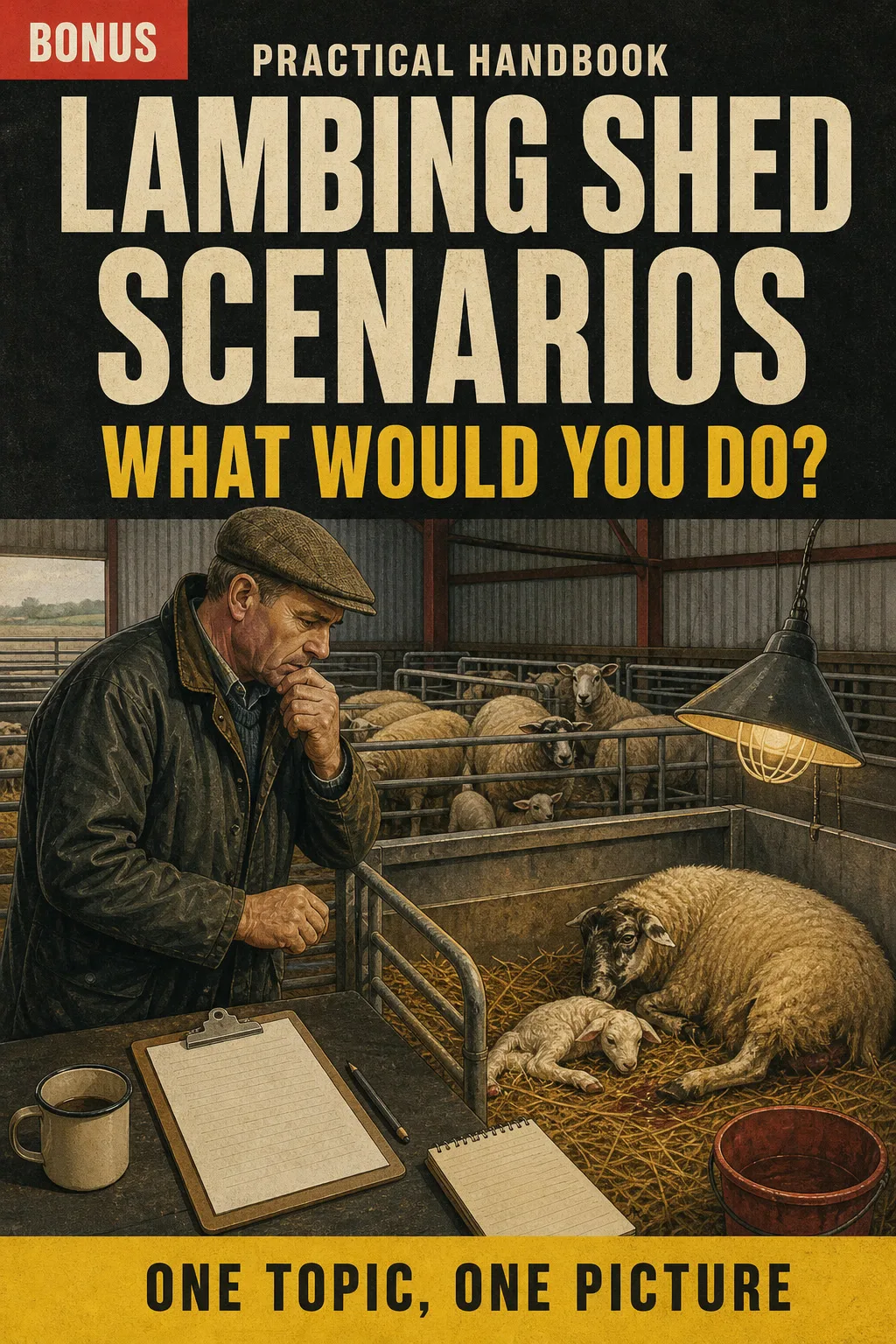
Lambing Shed Scenarios: What Would You Do?

BONUS 1: «Lambing Shed Scenarios: What Would You Do?»

Value on its own: US$ 17.90

Short shed situations to practise on before the first ewe lambs — normal, wait and watch, or ring the vet — so the decision feels familiar on the night.

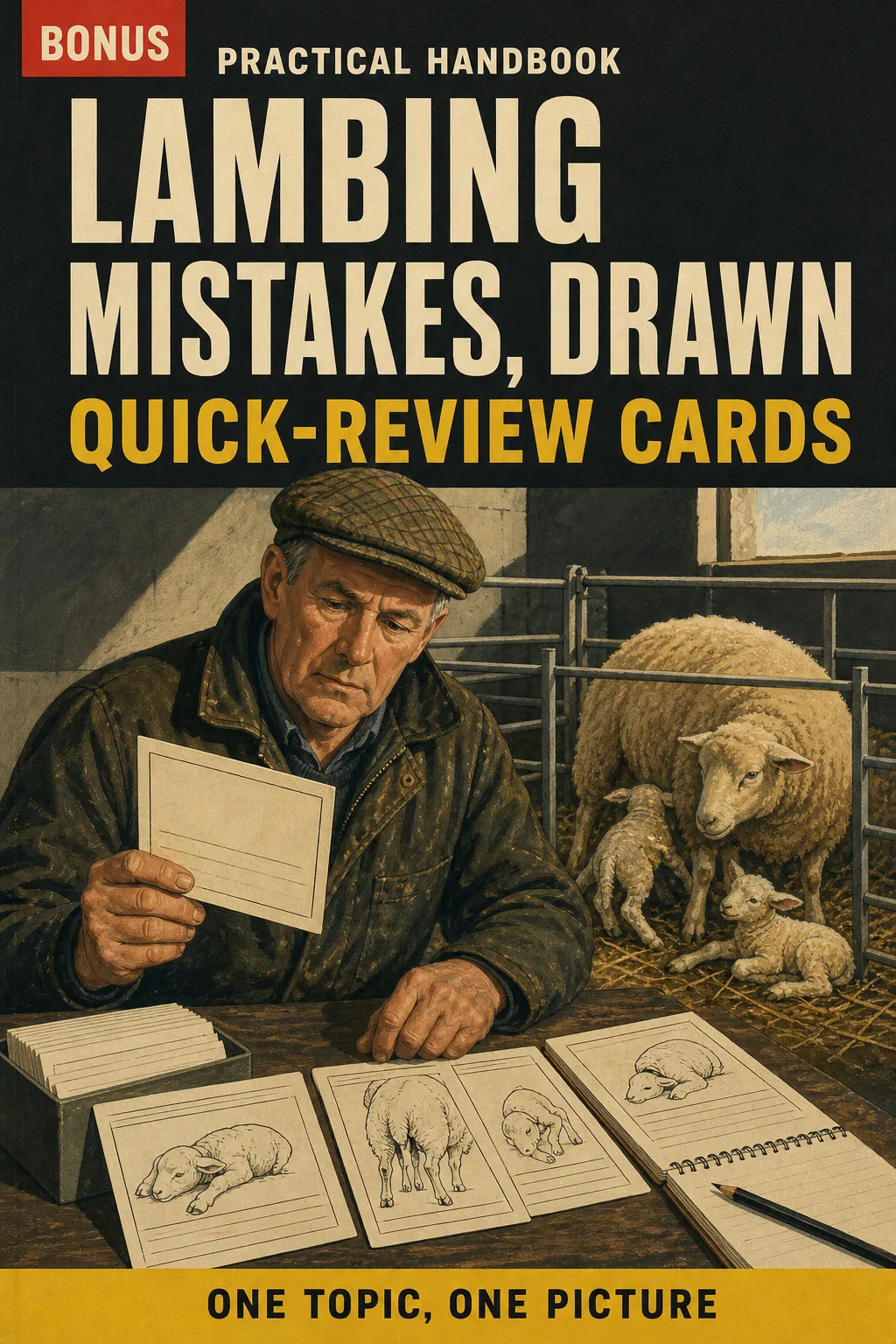
Lambing Mistakes, Drawn: Quick-Review Cards

BONUS 2: «Lambing Mistakes, Drawn: Quick-Review Cards»

Value on its own: US$ 14.90

The most frequent preparation mistakes — from late pens to a missing kit item — on one-glance cards you can print and pin up in the shed.

Lambing Illustrated with 2 Free Books

  • Lambing Illustrated: 68 illustrated pagesUS$ 63
  • BONUS 1: Lambing Shed Scenarios: What Would You Do?US$ 17.90
  • BONUS 2: Lambing Mistakes, Drawn: Quick-Review CardsUS$ 14.90
  • High-resolution PDF to printIncluded
Total value US$ 95.80
YOUR PRICE:
US$ 27
You save US$ 68.80
YES, I WANT LAMBING ILLUSTRATED FOR US$ 27

📄 This is a digital PDF book sent to your email: nothing is printed or shipped.

Secure purchaseEncrypted payment30-day guarantee

PDF by email: We email you Lambing Illustrated as a PDF, together with the two free books. It's a single payment: no installments, no extra charges.

Who This Book Is For

Your first lambing with your own flock

Your first lambing with your own flock

The shed, the kit and the rounds in working order, so you know what to have ready and what normal looks like.

Scanning's done, lambing is weeks away

Scanning's done, lambing is weeks away

Count back from the date and work through groups, condition, pens and kit, one page at a time.

You've lambed for years

You've lambed for years

Everything in one place to review and pin up in the shed, with the ring-the-vet list at a glance.

Everything You Get Today

US$ 95.80US$ 27
YES, I WANT LAMBING ILLUSTRATED FOR US$ 27

📄 This is a digital PDF book sent to your email: nothing is printed or shipped.

30DAYS
GUARANTEE

30-Day Guarantee

Try Lambing Illustrated for 30 days, bonus books included.

We refund everything if the file won't open, if the book isn't what you see here, if you were charged twice or if the email doesn't arrive. Just email us.

You pay once. No subscriptions.

Frequently Asked Questions

Is it for me if it's my first lambing, or if I've lambed for years?

Yes. It's built to review and keep to hand in the shed: every topic in working order, at a glance, so the night rounds go the same way every time.

Where does the content come from?

Draws on public Teagasc and DAFM guidance (including identification and the sheep census), plus HSE guidance on zoonoses and Health and Safety Authority farm safety guidance. Nothing from the UK is presented as Irish.

Is it official material?

No. It's an independent illustrated guide. Those organisations are cited as sources only; they haven't approved or endorsed it.

Does it replace a lambing course or my vet?

No. It puts your preparation and the signs to watch for in order. It's not a course and gives no certificate. Medicines, vaccines, doses and hands-on procedures are for your vet, and the book tells you when to ring them.

Are the practice scenarios from an official course or test?

No. The shed scenarios are written for this book, to practise the decision: normal, wait and watch, or ring the vet.

When and how does it arrive?

The book and the 2 gift books come as PDFs by email, to the address you enter when you pay.

Do I have to pay every month?

No. It's a single payment, with no subscription.

Can I have it on paper?

You print it yourself: it's a PDF, so you can print it at home or in a print shop and pin pages up in the shed. We don't post a printed copy.

How does the refund work?

You have 30 days. We refund everything if the file won't open, if the book isn't what you see on this page, if you were charged twice or if the email doesn't arrive: just email us.

Before You Close This Page

No more rereading notes that never stick.

A normal lamb coming: you see it drawn and that's it.

You get to the first ewe knowing where everything is.

Drawings make studying faster.

The book is right below.

One-time payment: US$ 27 · Guarantee: 30 days · PDF by email

YES, I WANT LAMBING ILLUSTRATED FOR US$ 27

📄 This is a digital PDF book sent to your email: nothing is printed or shipped.